Foam Rollers
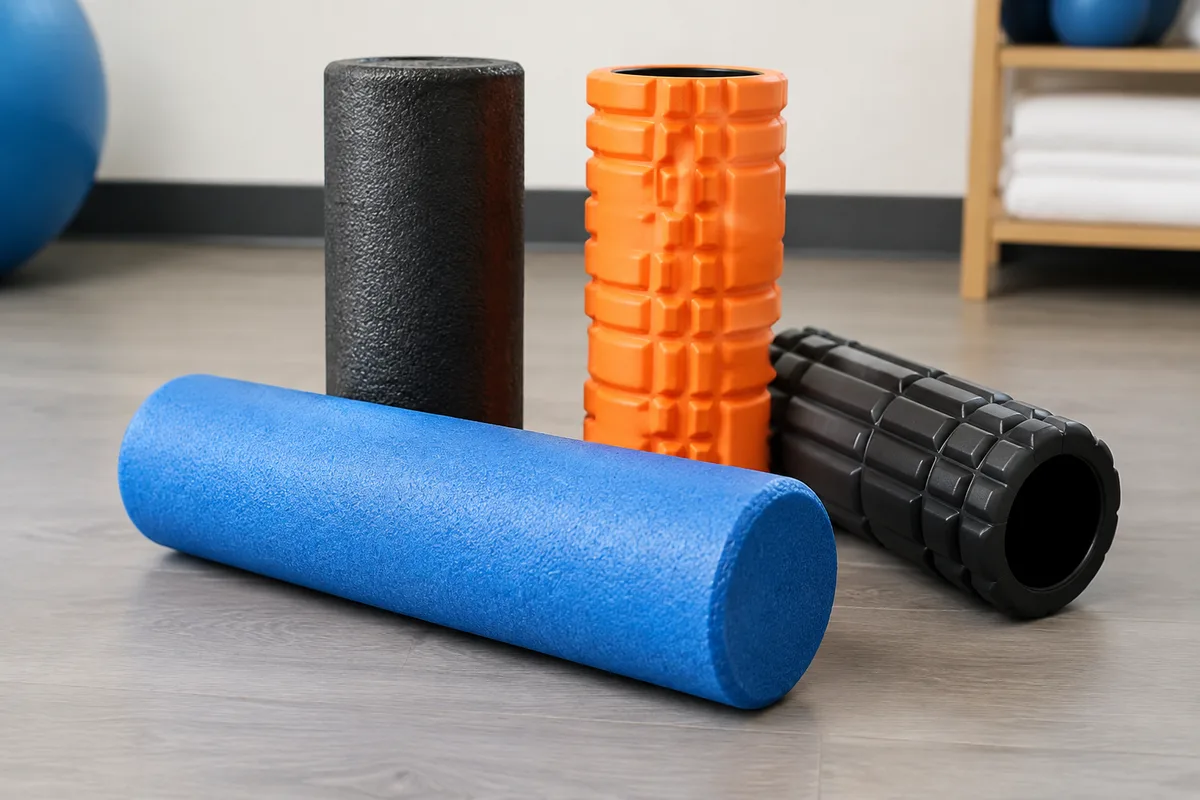
Foam Rollers
Foam rollers are simple cylindrical tools used for self-massage and mobility work. At Physical Therapy and Rehabilitation Center of Brooklyn, they are one of the everyday tools patients use as part of a broader plan to ease muscle tightness and improve flexibility, often alongside other hands-on and exercise-based care.
What foam Rollers is
A foam roller is a firm, cushioned cylinder that a person uses by rolling their own body weight over it, applying pressure to muscles and the surrounding soft tissue. The pressure and gliding motion help release tight bands of muscle, encourage blood flow to the area, and give patients a way to work on flexibility and tissue mobility without needing another person to apply the pressure.
Before self-myofascial release tools became widely available, much of this kind of soft-tissue work depended entirely on manual pressure from a clinician or a partner. Foam rollers gave patients a way to continue that kind of work independently, between sessions and at home, using their own body weight to control how much pressure they apply.
Foam rollers come in a range of densities and surface textures, from smooth and soft to firm and ridged, which changes how much pressure is delivered and how targeted the effect feels.
How we use it at Physical Therapy and Rehabilitation Center of Brooklyn
Foam rollers are part of the on-site equipment used to ease muscle tightness and support flexibility as part of a broader treatment session. They are commonly used together with other tools on hand, such as exercise mats for floor-based stretching, exercise balls for core and balance work, and resistance bands for guided strengthening once tightness has eased.
Because foam rolling addresses muscle tightness rather than joint or nerve-level issues, it tends to come up most often within services such as Exercise Therapy, Manual Therapy, Sports Injury Rehabilitation, and general Physical Therapy, where improving tissue flexibility supports the rest of the treatment plan. A clinician may guide a patient on which muscle groups to target, how much pressure to use, and how to fit the technique into a home exercise routine.
What it means for you
Foam rolling gives patients an active role in their own recovery. Instead of relying only on scheduled visits, it offers a way to work on muscle tightness at home, which can make the overall plan feel more consistent and give patients more control over how they feel day to day.
Because pressure is self-directed, patients can adjust intensity based on comfort, which tends to make the technique approachable for a wide range of ages and activity levels. It's also a low-cost, portable tool that patients can use well beyond the walls of the clinic once they've learned proper technique.
What to expect during your visit
If foam rolling is part of your session, a clinician will typically show you which area to target and how to position your body over the roller, whether that's the calves, thighs, back, or another muscle group. You'll be guided on how slowly to roll, how much pressure feels appropriate, and when to pause on a particularly tight spot.
The technique itself usually takes just a few minutes per muscle group, and it may be used as part of a warm-up before other exercises, or as a cool-down afterward. Some tenderness during rolling is common, especially over tight areas, but it should ease as you continue and should never feel sharp or unbearable. Many patients are also taught how to use a foam roller at home so they can continue the technique between visits.
Frequently asked questions
Is foam rolling safe?
Foam rolling is generally considered a safe, low-impact technique when done with proper guidance on positioning and pressure. Your clinician will help determine whether it's appropriate for your specific condition and will show you how to use it correctly.
Does foam rolling hurt?
It's common to feel some mild discomfort or tenderness when rolling over a tight muscle, but the sensation should stay manageable and ease as the muscle relaxes. If something feels sharp, painful, or worsens with pressure, let your clinician know right away.
How long does a foam rolling session take?
Rolling a single muscle group typically takes just a few minutes, and it's often combined with other exercises or manual therapy within a longer treatment session rather than used on its own.
Who is foam rolling suitable for?
Foam rolling can be appropriate for a wide range of patients dealing with muscle tightness, from those recovering from a sports injury to people managing general stiffness. Your clinician will assess whether it fits your specific condition and treatment goals before including it in your plan.
If you'd like to learn more about how foam rollers might fit into your care, reach out to Physical Therapy and Rehabilitation Center of Brooklyn to ask about scheduling a visit.
This content is for general information only and isn't medical advice. Talk with a qualified provider about your own situation. If you have a medical emergency, call 911.