Exercise Mats
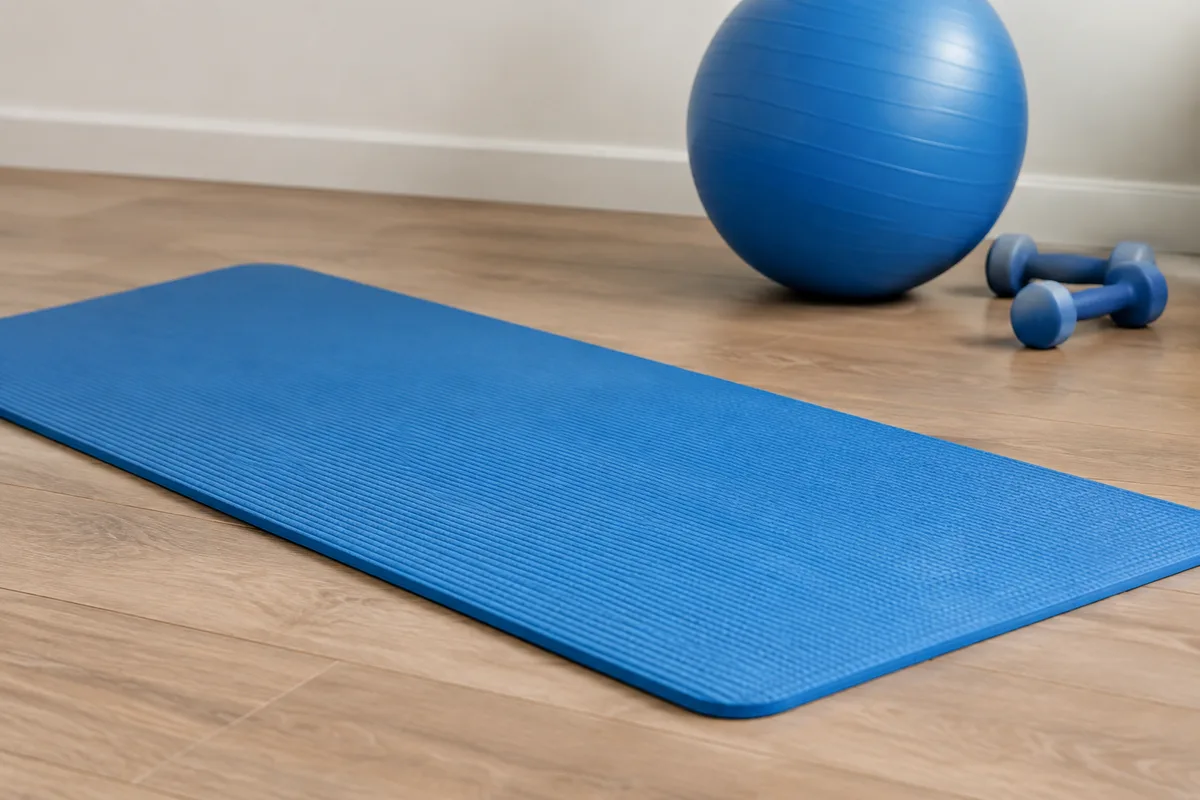
Exercise Mats
Exercise mats are one of the simplest tools in a physical therapy setting, and also one of the most versatile. Cushioned and supportive, they give patients a stable, comfortable surface for floor-based exercises, stretching, and core work as part of a broader rehabilitation program.
What exercise Mats is
An exercise mat is a padded surface, usually made of dense foam or rubber, designed to cushion the body during floor exercises. It provides a layer of comfort and support between the patient and a hard floor, which matters when exercises involve kneeling, lying down, or moving through positions that would otherwise put pressure on joints and bony areas.
Before mats became standard equipment, floor exercises were often done directly on tile, wood, or thin carpet, which could make certain movements uncomfortable or even discourage patients from performing them fully. A supportive mat removes that barrier, allowing a fuller range of motion and better positioning during core, stretching, and stability work.
How we use it at Physical Therapy and Rehabilitation Center of Brooklyn
At Physical Therapy and Rehabilitation Center of Brooklyn, exercise mats are used for floor exercises, stretching, and core work, often as part of a broader exercise therapy or manual therapy plan. Mat-based exercises are commonly paired with other on-site equipment, such as exercise balls for balance and mobility work, foam rollers for self-massage and flexibility, and balance pads or balance boards when a patient is working on stability and proprioception.
Because mats support a wide range of positions, they are useful across many of the practice's services, including back pain treatment, neck pain treatment, posture training, and general exercise therapy. A patient recovering from a back injury, for example, might use a mat for gentle core stabilization exercises, while someone working on balance training might transition between the mat and a balance pad during the same session.
What it means for you
For patients, a cushioned mat makes floor-based exercises more comfortable and easier to perform correctly. When pressure points and discomfort are reduced, it becomes easier to focus on form and technique rather than being distracted by an uncomfortable surface. This can be especially helpful for exercises that involve extended time on the floor, such as core stabilization or lower-body stretching.
A stable, supportive surface can also make patients feel more secure when trying new or challenging movements, particularly those involving balance or coordination. That sense of security can encourage fuller participation in an exercise program, which supports the overall goals of a rehabilitation plan.
What to expect during your visit
If your treatment plan includes mat-based exercises, your therapist will typically guide you through a specific set of movements suited to your condition and goals. This might include core exercises, targeted stretches, or transitional movements between lying, sitting, and kneeling positions. The mat is usually placed in the treatment area alongside other equipment you may be using in the same session, such as exercise balls or balance pads.
Sessions involving mat work are generally part of a larger visit rather than a standalone appointment, so the time spent on the mat itself can vary depending on your overall exercise program. Your therapist will demonstrate each exercise, watch your form, and make adjustments as needed to ensure movements are being performed safely and effectively.
Is mat work safe for everyone?
Mat-based exercises are generally low-risk and suitable for a wide range of patients, but your therapist will tailor specific exercises to your condition, mobility level, and any precautions related to recent surgery or injury. If getting up and down from the floor is difficult for you, your therapist can suggest modifications or alternative positions.
How long does a mat-based exercise session take?
The time spent on mat exercises depends on your individual treatment plan and is usually just one component of a longer therapy session that may also include manual therapy, other equipment-based exercises, or modalities like heat or electrical stimulation.
Do I need to bring anything?
Comfortable, loose-fitting clothing that allows for movement is generally recommended for mat-based exercises. The practice provides the mats and any other equipment needed during your session.
Who typically uses exercise mats during therapy?
Mat work is common across many types of rehabilitation, including recovery from back and neck injuries, post-surgical rehabilitation, balance training, and general strengthening programs. Your therapist will determine whether mat-based exercises fit into your specific plan of care.
If you'd like to learn more about how exercise mats and other equipment might fit into your care plan, reach out to Physical Therapy and Rehabilitation Center of Brooklyn to ask about your options.
This content is for general information only and isn't medical advice. Talk with a qualified provider about your own situation. If you have a medical emergency, call 911.