Work Conditioning
Work Conditioning
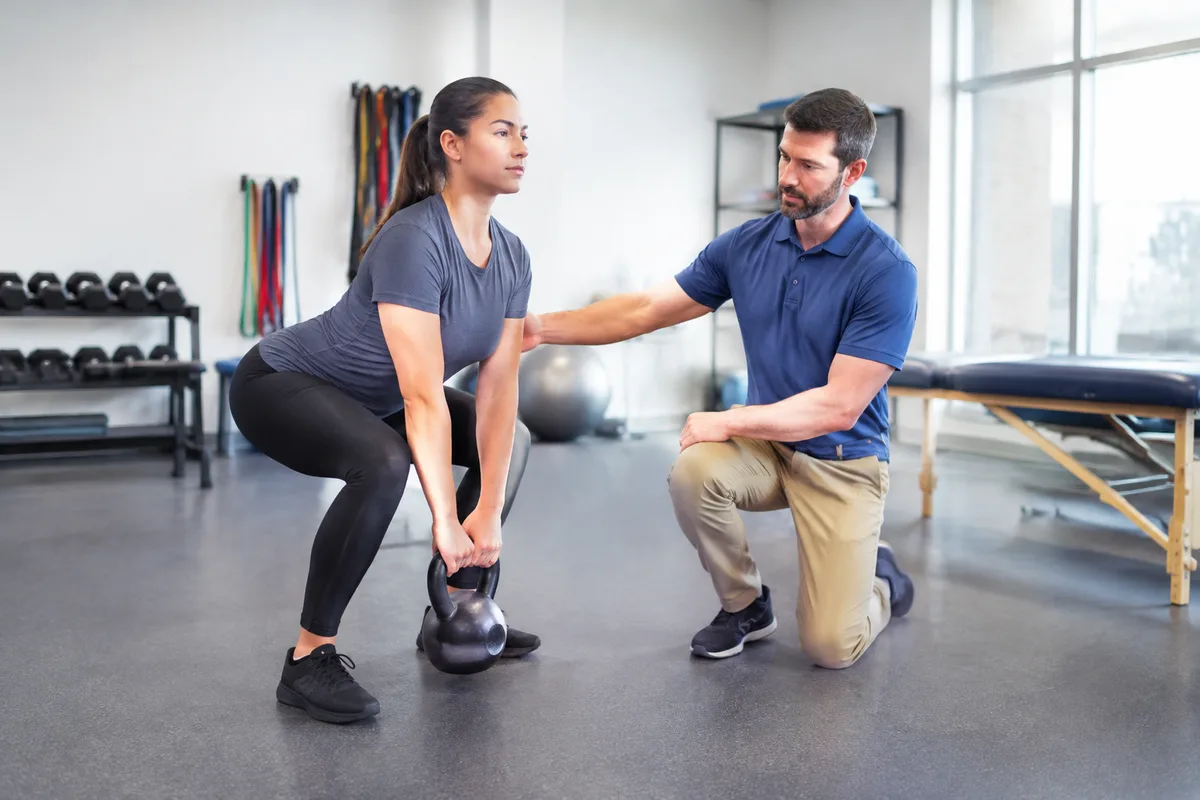
Work conditioning is a structured rehabilitation program designed to help patients rebuild the strength, endurance, and movement tolerance needed to return to a job safely. It bridges the gap between general physical therapy and the physical demands of a specific occupation, focusing on functional tasks such as lifting, carrying, standing, and repetitive motion.
What the Program Addresses
- Strength and Endurance — Progressive exercise builds the stamina needed for a full workday.
- Task-Specific Movement — Practice with lifting, bending, reaching, and carrying patterns similar to job duties.
- Injury Prevention — Attention to body mechanics to reduce the risk of re-injury once back on the job.
Tools Used During Sessions
- Treadmills and Stationary Bikes — Build cardiovascular endurance and lower-body conditioning.
- Dumbbells and Resistance Bands — Provide graded strengthening that can progress as tolerance improves.
- Pulley Systems — Restore shoulder and arm range of motion needed for overhead or repetitive tasks.
- Treatment Tables and Exercise Mats — Support stretching, core work, and hands-on therapy between conditioning drills.
Who This Service Is For
Work Conditioning is often paired with related services such as Work Injury Rehabilitation, Functional Capacity Evaluation, and Ergonomic Assessment, giving a fuller picture of a patient's readiness to return to work and the physical demands they will face once back on the job.
This content is for general information only and isn't medical advice. Talk with a qualified provider about your own situation. If you have a medical emergency, call 911.